
Fresh 48 Session Prep Guide
Fresh 48 Session Quick Tips
Before the Session:
Share your due date, induction, or c-section schedule ahead of time.
Text or call your photographer once labor begins or baby arrives.
Be flexible — sessions may happen a few hours after birth, the next day, or the morning before discharge.
Lightly tidy the room (clear trays, bags, and clutter).
Open curtains or blinds for natural light; turn off harsh hospital lights.
Feed baby 15–30 minutes before the session starts.
Please ask any family and visitors to step out of the room during the session.
A calm, quiet space helps everything go more smoothly — and I’ll need access to the window area for natural light, which is often where visitors tend to sit.
What to Wear:
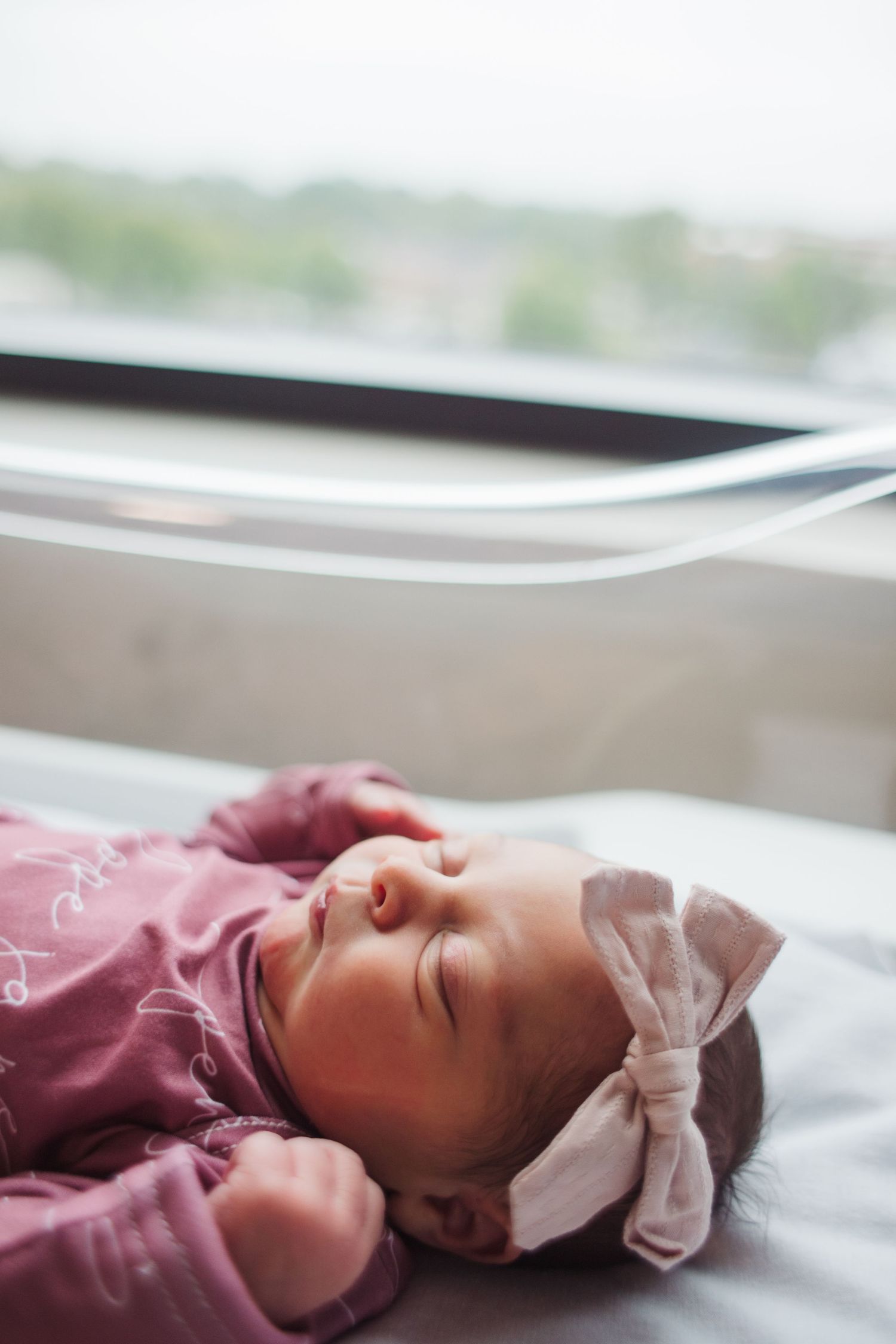
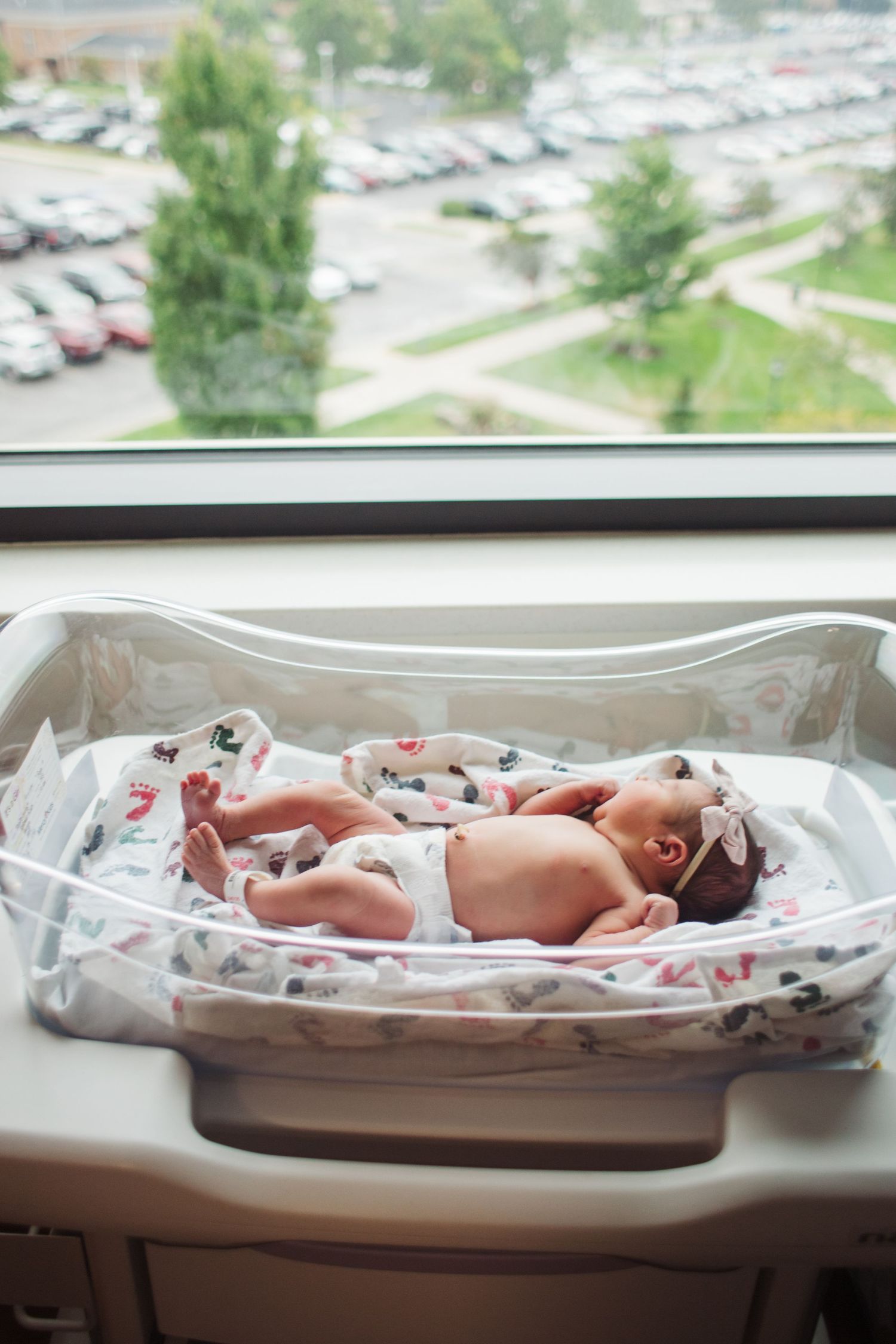
Baby: Hospital blanket and hat for the first photos, then change into your own neutral swaddle or name blanket. Avoid bright colors or bold patterns.
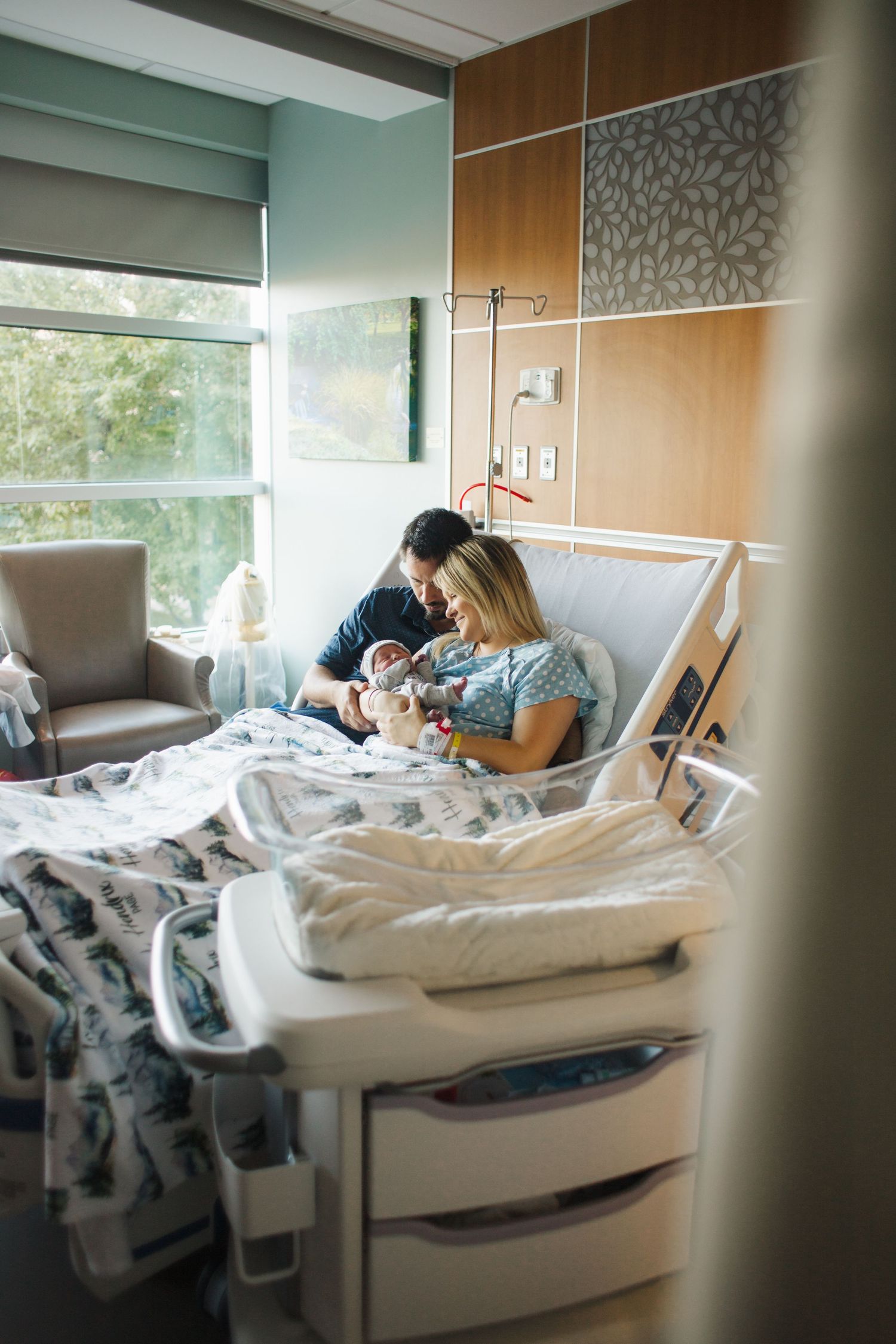
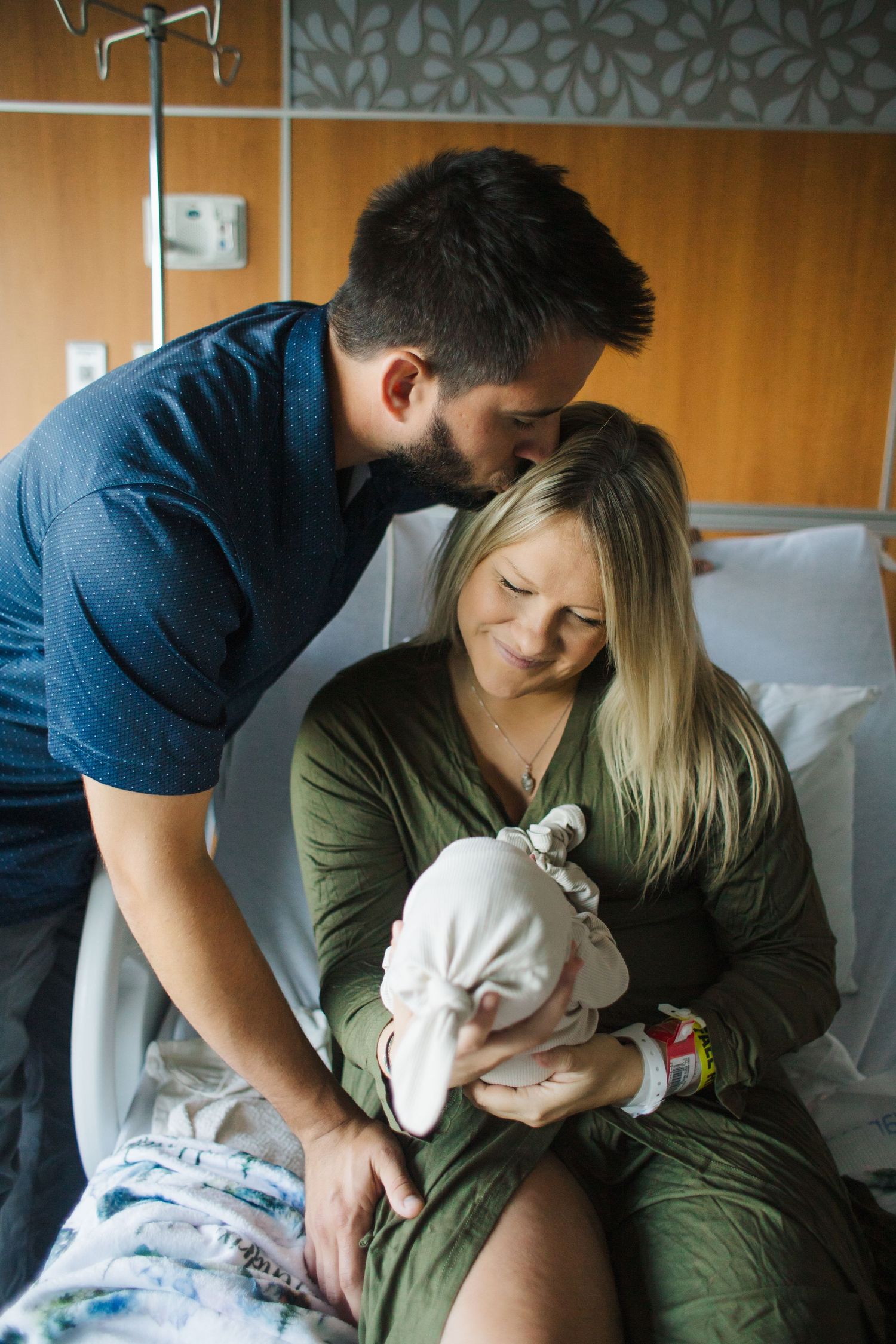
Parents: Comfortable, neutral-toned clothing — robes, button-downs, or soft tees.
Siblings: Neutral colors; avoid characters or logos. Bring a change of clothes just in case.
During the Session:
Sessions last around 30–60 minutes.
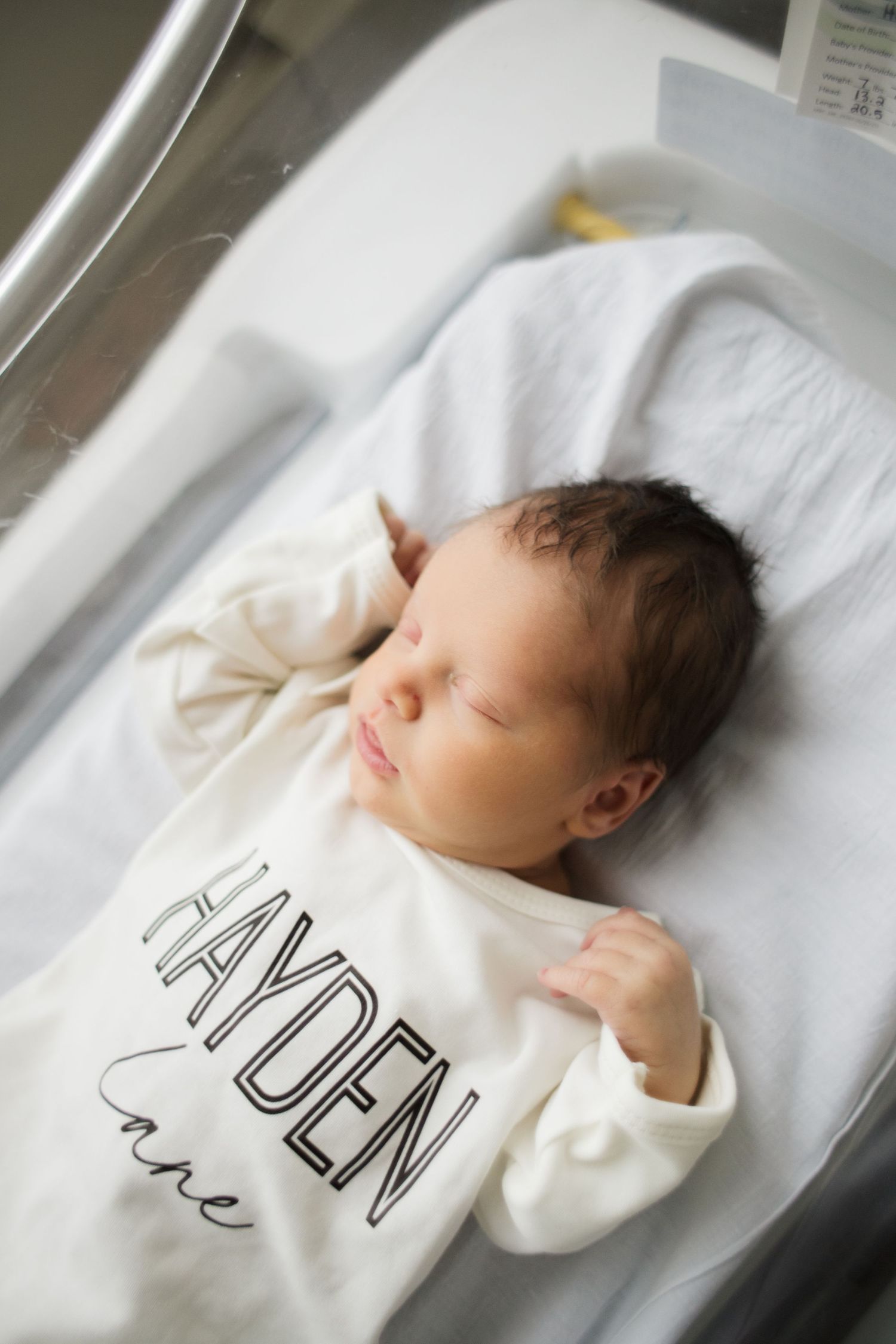
I’ll start with baby wrapped in the hospital blanket, then move on to personal swaddles and name blankets.
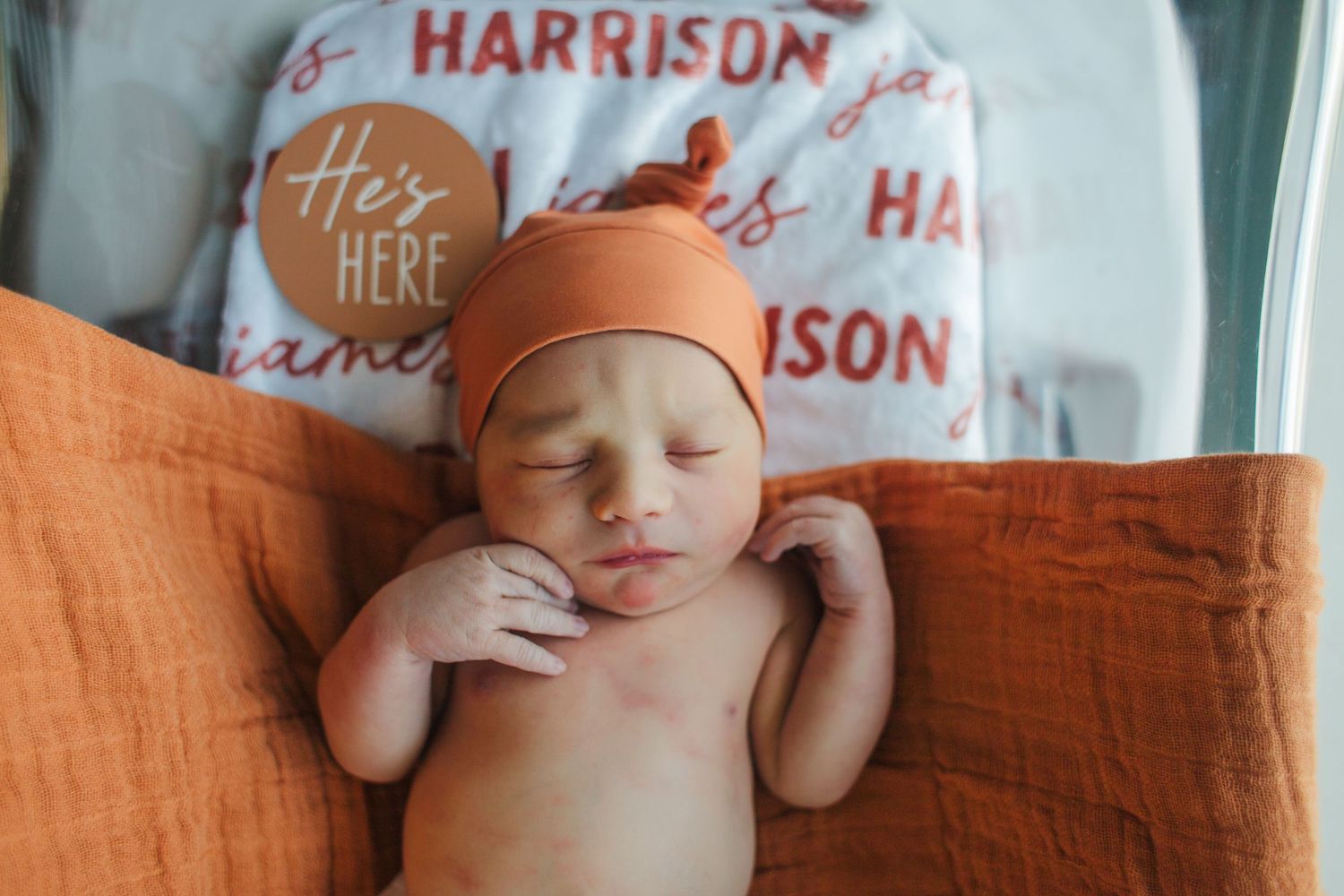
If you have a name plate or crib card, please fill it out before I arrive so it’s ready to photograph.
Baby-led posing only — no props or heavy setups.
Expect to pause for feeding, changing, and soothing as needed.
Sibling Photos:
Family and sibling photos happen first.
Plan for siblings to leave after their part to avoid overstimulation.
Bring a toy, book, or quiet activity to keep them occupied if needed.
Safety First:
Sessions follow all hospital/birth center policies.
I use only natural light and minimal gear.
Clean, calm, and baby-led — always.
Tips for a Successful Fresh 48 Session
1. Stay Flexible on Timing
Fresh 48 sessions usually take place within 24–48 hours after birth, depending on lighting, hospital rules, and how you're feeling.
Let your photographer know as soon as you go into labor, and keep them updated on your progress. This helps with planning and ensures we don’t miss the window for your session.
Sessions may happen a few hours after birth, the next day, or the morning before discharge — flexibility is key!
2. Limit Visitors During the Session
To keep things calm and efficient, please ask family and visitors to step out during the session.
I’ll be working near the window for natural light, which is usually where guests are seated. A clear, quiet space helps the session move smoothly.
3. Tidy the Room (Just a Bit!)
Clear trays, bags, and clutter from visible areas. No need for a perfect space — just enough to keep the focus on your baby and your family.
4. Let in the Light
Open curtains or blinds and turn off overhead lights, if possible. Natural light makes a big difference in the look and feel of your photos. I do not come in the evenings or when it's dark. I use natural light.
5. Feed Baby Before the Session
Try to feed baby 15–30 minutes before the session begins to help them settle.
If they need to eat during the session, that’s completely fine too — we go at baby’s pace.
6. Dress Simply & Comfortably
Baby: Start in the hospital blanket and hat, then change into a neutral swaddle or name blanket.
Parents: Soft, neutral tones — think robes, button-downs, or nursing tops.
Siblings: Neutral clothes without logos or characters. Bring a spare outfit if needed.
7. Have the Name Card Ready
Please fill out the crib card or name plate before the session if you’d like it included in photos.
8. Plan Sibling Photos First
Sibling and family shots happen at the beginning of the session.
After that, it helps to have someone available to take siblings for a break — hospitals can be overwhelming for little ones.
9. Don’t Stress About the Mess
Spit-up, fussing, diaper changes — it’s all totally normal.
This is a relaxed, baby-led session. Just be present and let it unfold naturally.
10. Trust the Process
You don’t need to pose or perform. I’ll gently guide you and document the beauty of this fleeting moment — exactly as it is.
What to Wear
For Baby
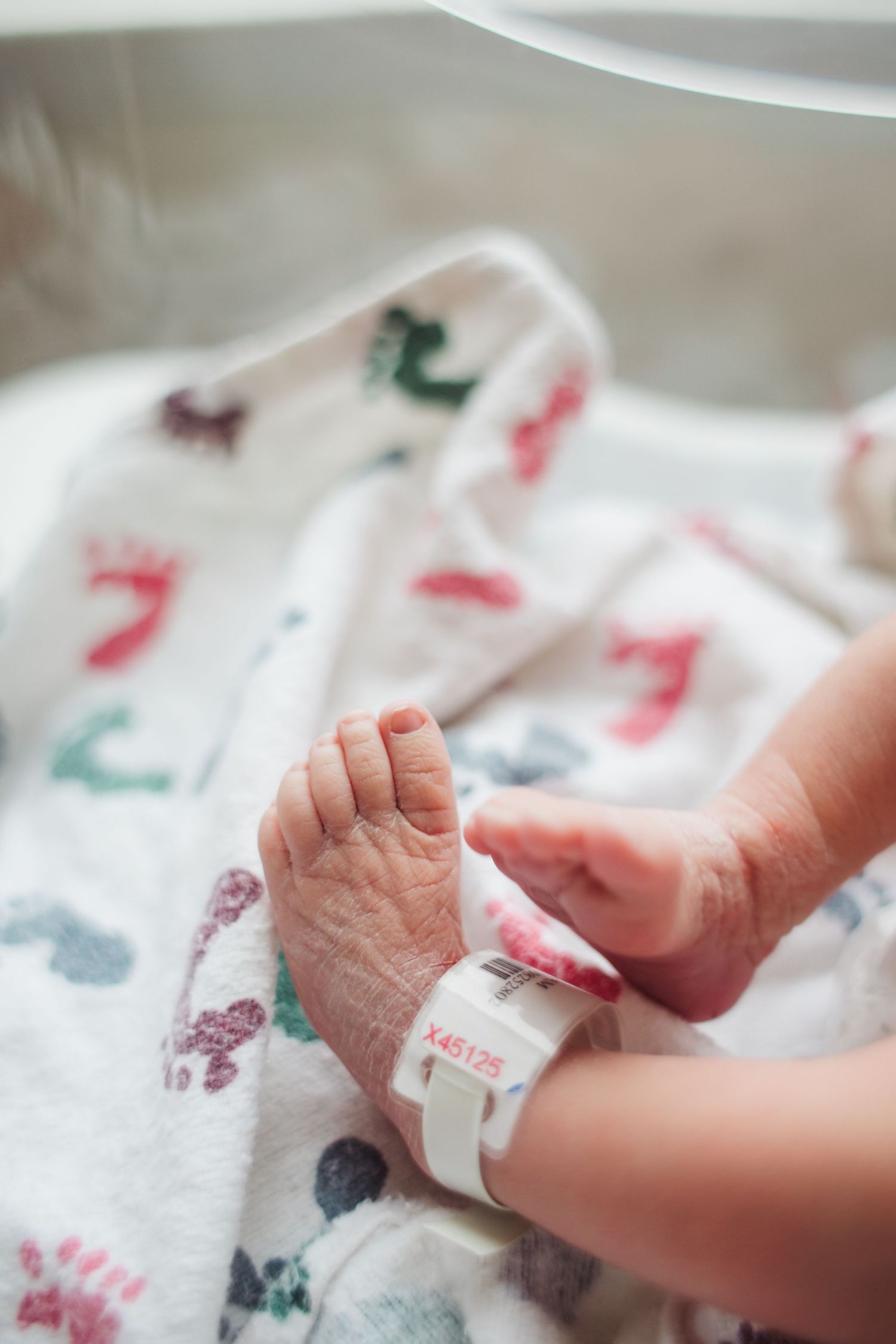
Start in the Hospital Blanket & Hat
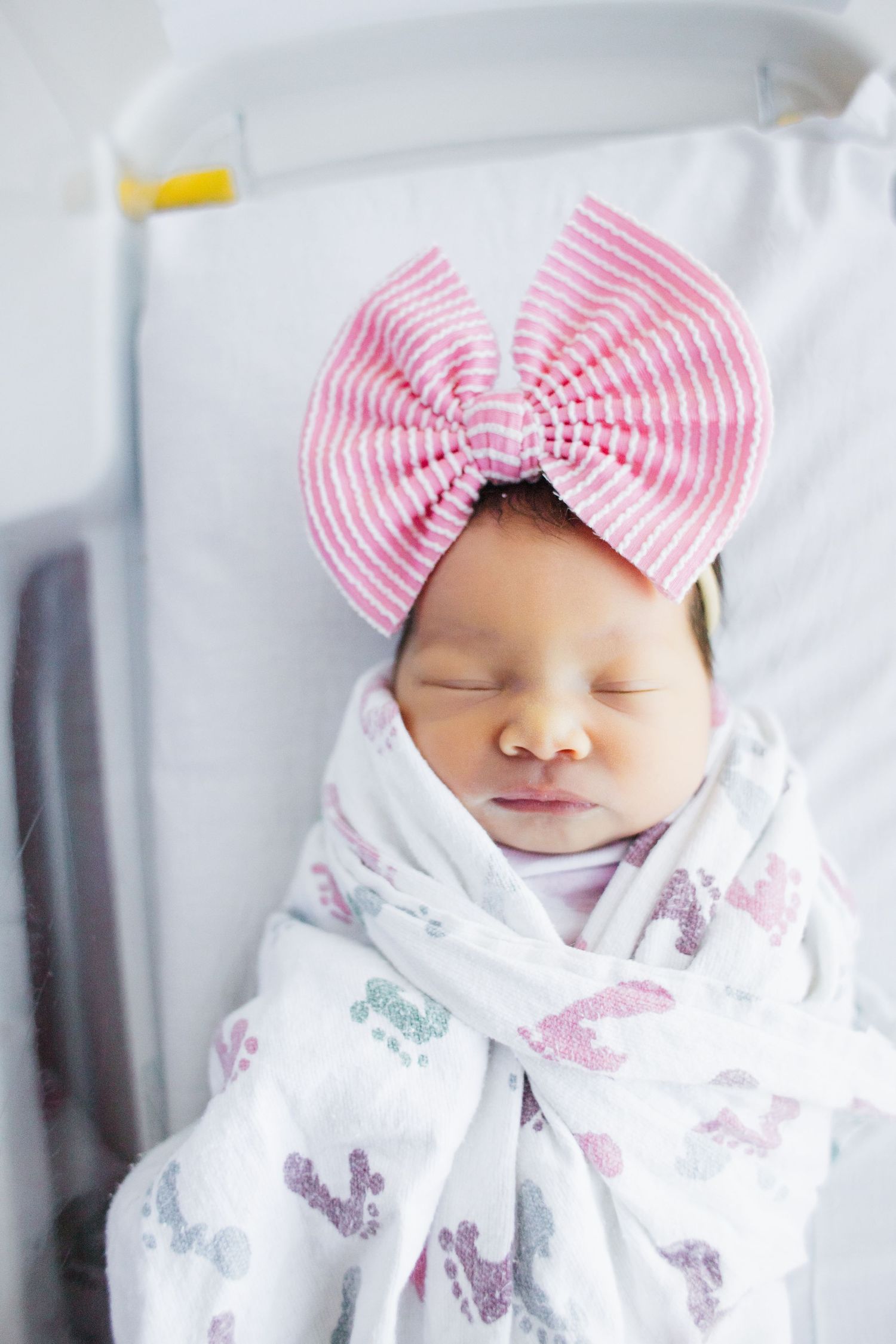
I’ll begin by capturing baby just as they are — wrapped in the standard hospital blanket and hat. It’s part of their birth story!
Optional: Bring a Neutral Swaddle or Personalized Blanket
After the first few images, we’ll transition to your own swaddle or a name blanket. Choose soft, muted tones or simple patterns. Avoid bright colors or bold prints — soft neutrals photograph best.
Avoid Tight Clothing or Socks
If you dress baby, choose a soft, zip or button-down sleeper — no onesies that go over the head. Skip tight socks, pants, or anything that could leave marks on baby's skin.
Pacifier (Optional but Helpful)
Even if your baby doesn’t typically use one, a pacifier can be very helpful to gently soothe baby between photos. It will be used minimally and won’t interfere with feeding or cause nipple confusion.
For Parents
Neutral, Comfortable, and Low-Key
Hospital rooms are cozy and close-up. Soft, solid colors or subtle textures work best. Great options include:
Cream
Beige
White
Gray
Soft blues, muted pinks, sage, or pastels
❌ Please avoid: Bright colors, logos, heavy patterns, or text on clothing — they can distract from your connection with baby.
Keep It Comfortable
This is a relaxed session — robes, nursing tanks, button-downs, or cozy tees work beautifully. Comfort is key.
Makeup & Grooming
If you wear makeup, keep it light and natural. Clean, trimmed nails are ideal, as hands often appear in close-up baby shots.
Optional Skin-to-Skin Portraits
If you'd like skin-to-skin photos, moms can wear a strapless bra or bandeau, or I can gently wrap you in a neutral hospital blanket or fabric. These shots are intimate and natural — completely optional but always meaningful.
For Siblings
Keep it Simple + Soft
Dress siblings in neutral, solid colors that blend well with the rest of the family. Avoid character shirts, bold patterns, or neon tones.
Bring a Backup Outfit
Accidents happen — it’s always smart to bring a change of clothes, especially for younger siblings.
Choose Comfort Over Style
Happy kids = better photos. Choose clothes they feel comfortable moving and sitting in.
A Note on Footwear
Most Fresh 48 photos are taken on or near the hospital bed, so shoes aren’t typically shown. Bare feet or socks are totally fine.
What to Bring
These sessions are short and simple, but a few thoughtful items can help things go smoothly:
For Baby
Diapers & Wipes – Accidents are totally normal! Have a few extras handy.
Hospital Blanket & Hat – I’ll start with these for the first photos.
Neutral Swaddle or Personalized Blanket – Optional, but lovely for baby’s close-ups.
Pacifier – Even if your baby doesn’t usually take one, it can help soothe during transitions.
Prepared Bottles – If you’re bottle-feeding or supplementing, have a feed ready just in case.
Extra Outfit or Sleeper – Messes happen. A backup sleeper in soft, neutral tones is always a good idea.
For Parents
Snacks & Water – Sessions usually last about 30–60 minutes, but having something on hand can help if you haven’t eaten recently.
Change of Clothes (Optional) – For you and baby, just in case of spills or accidents during feeding or snuggling.
Optional Items
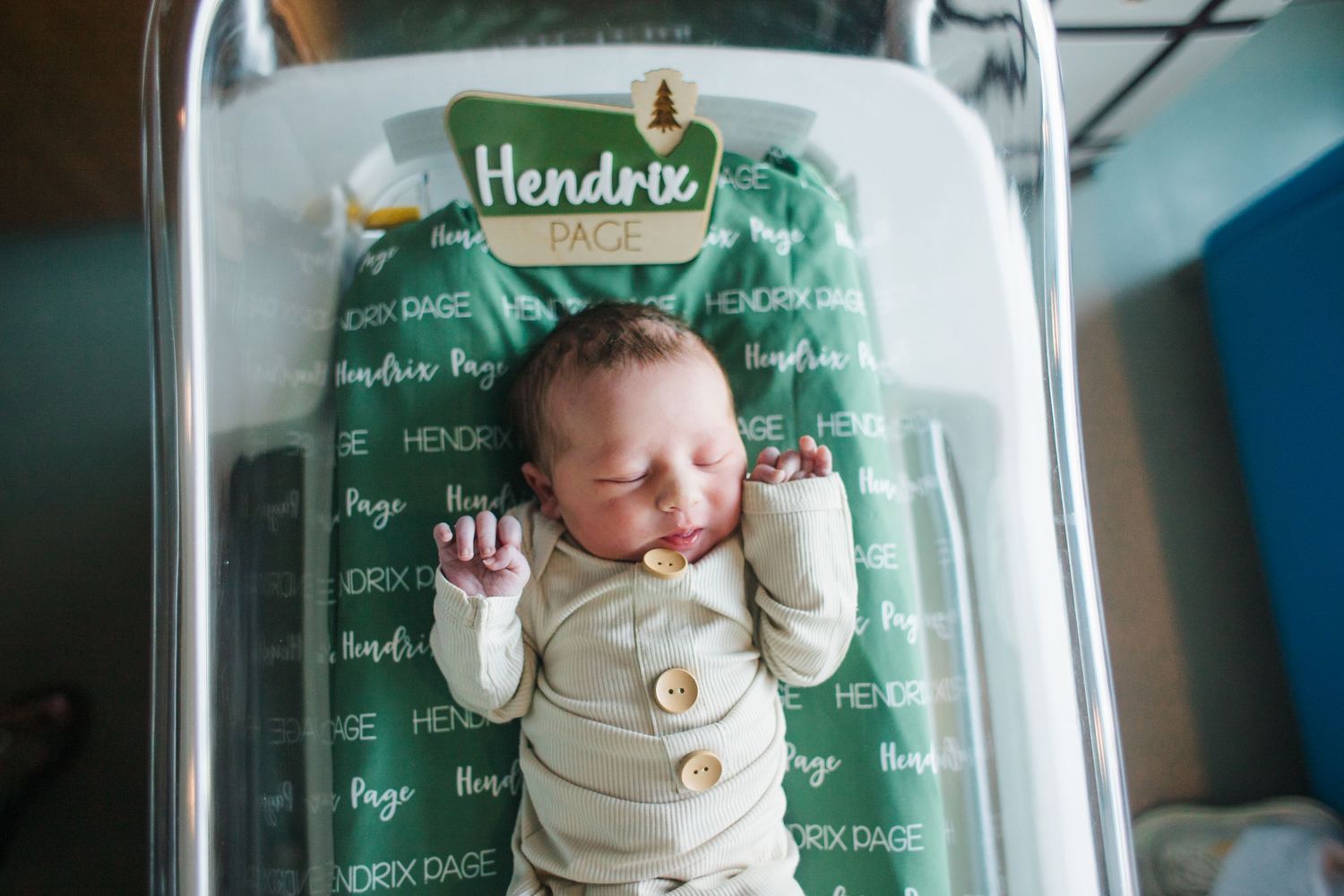
Filled-Out Name Plate or Crib Card – If you have one, please fill it out before I arrive so it’s ready to be photographed.
Special Items – A small keepsake, bracelet, heirloom, or sentimental item you’d like included in a few shots? Bring it along — I’m happy to incorporate it.
Session Timing & What to Expect
Timing is Flexible
Fresh 48 sessions typically take place within 24–48 hours after birth, depending on your recovery, baby’s condition, and available natural light.
Sessions are usually held mid-morning to early afternoon, when the light is softest and most flattering.
Timing can vary — it may be a few hours after birth, the following day, or the morning before discharge.
Please let me know as soon as you go into labor and keep me updated once baby arrives.
We’ll schedule your session based on the photographer’s availability, aiming to find the best window for both lighting and your comfort.
Session Length
Sessions typically last 30–60 minutes.
We’ll move at baby’s pace — pausing for feeding, changing, or soothing as needed — while keeping the experience calm and easy.
What Happens During the Session
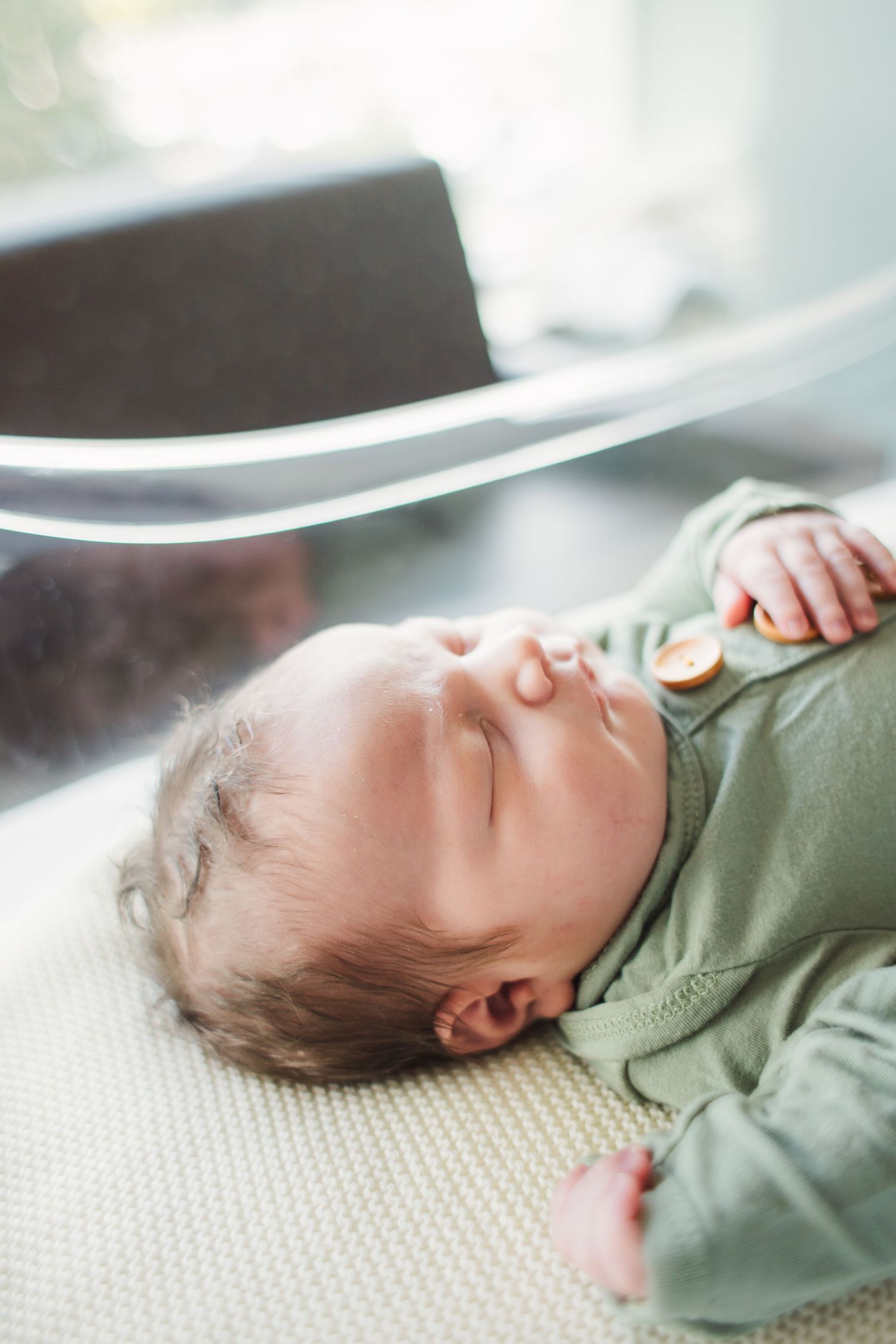
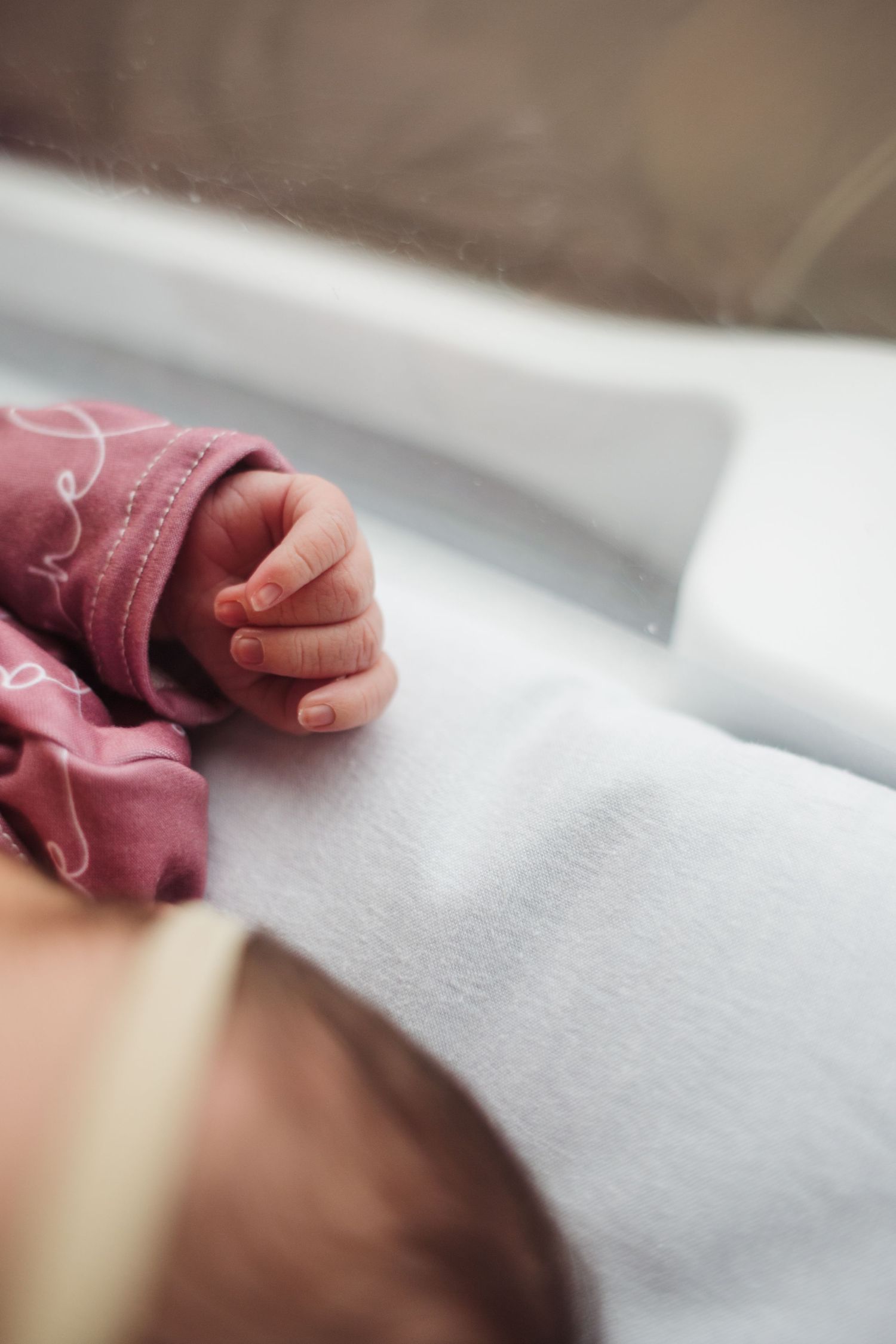
I’ll begin with baby wrapped in the hospital blanket, then move on to any personal swaddles, name blankets, or accessories you’d like to include.
We’ll capture baby alone first, then move into family, parent, and sibling portraits if desired.
No props or posed setups — just natural, baby-led moments in your hospital room.
No Stress About Messes!
Diaper leaks, spit-up, or fussy moments are completely normal — no stress at all! Everything used can be cleaned, and I’ll adjust as needed.
Including Siblings
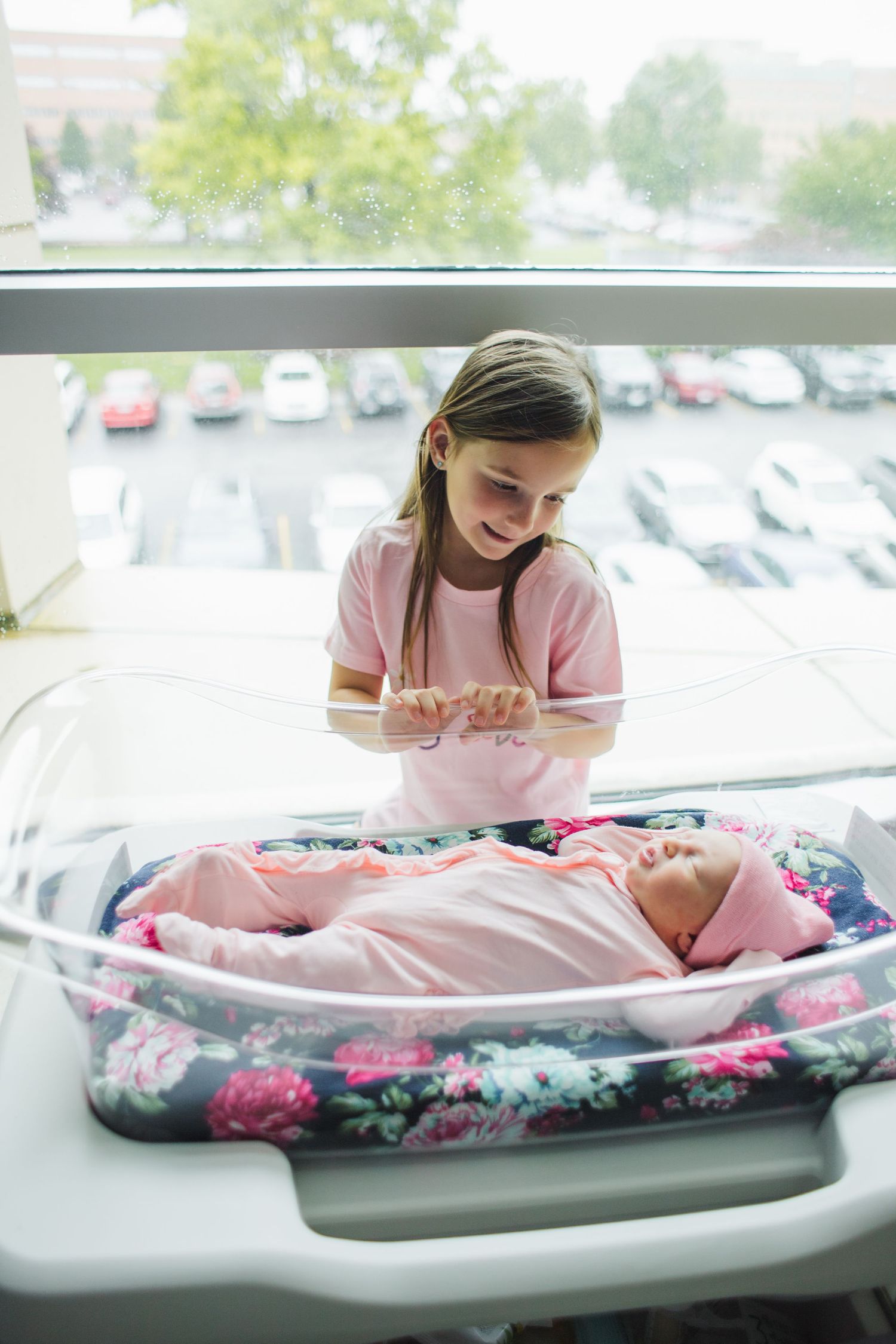
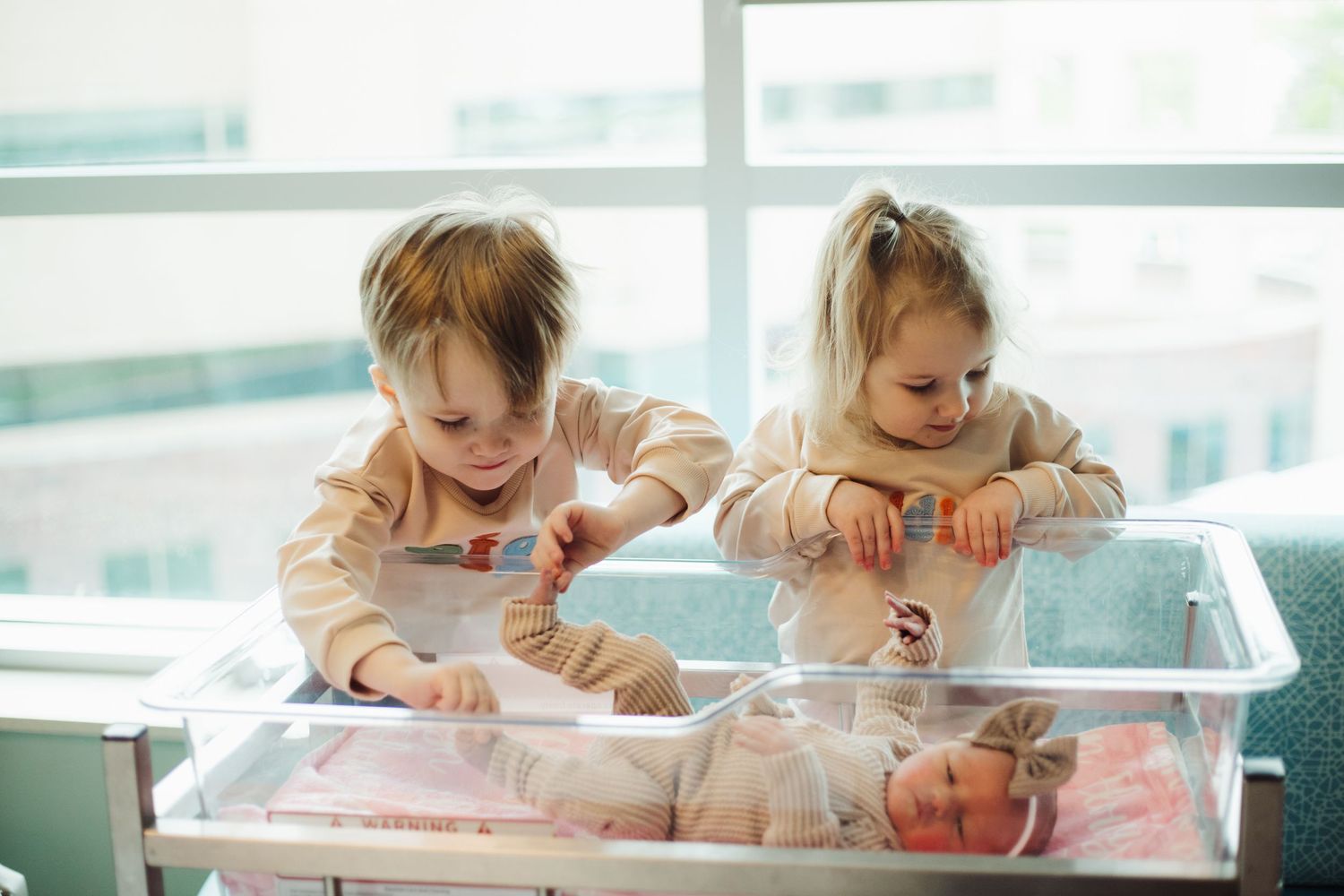
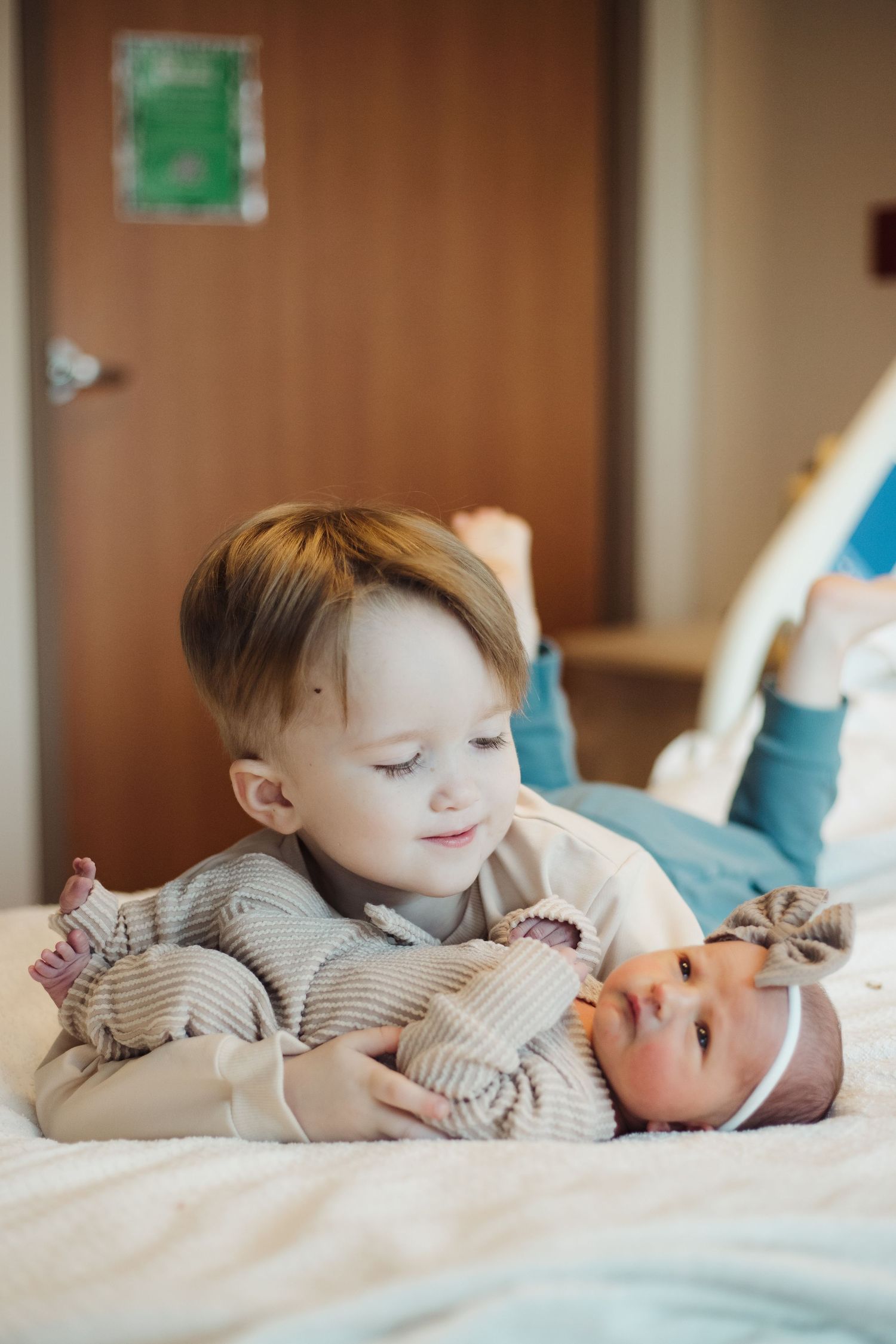
Capturing those first moments with older siblings is so special. However, Fresh 48 sessions happen in small hospital or birth center rooms, which can feel crowded and overstimulating for little ones.
Session Flow with Siblings
We’ll start with family and sibling photos first, while siblings are fresh and engaged.
Since hospital rooms are often small and the window area (where I shoot) is usually where visitors sit, please ask siblings and other visitors to step out during baby-only photos. This helps keep the space clear, calm, and safe.
If siblings stay for the entire session, it can be hard for them to stay settled, and their movement may disturb baby.
Planning Ahead
If possible, arrange for siblings to have a quiet space or to leave the room after their photos—maybe with another parent, grandparent, or a friend nearby.
This allows the session to move smoothly and keeps baby calm.
What to Expect from Sibling Poses
I’ll work quickly to capture meaningful sibling moments, but hospital sessions are shorter (about 30–60 minutes), so we focus on natural, simple shots.
Toddlers or very young siblings may find the environment unfamiliar, so flexibility is key.
Safety is my priority — if a sibling is unsettled or a pose isn’t safe, we’ll adapt or skip it.
Helpful Tip
Bringing a favorite quiet toy or book can help keep siblings engaged while we focus on baby. A small treat or incentive can also encourage cooperation for those special shots.
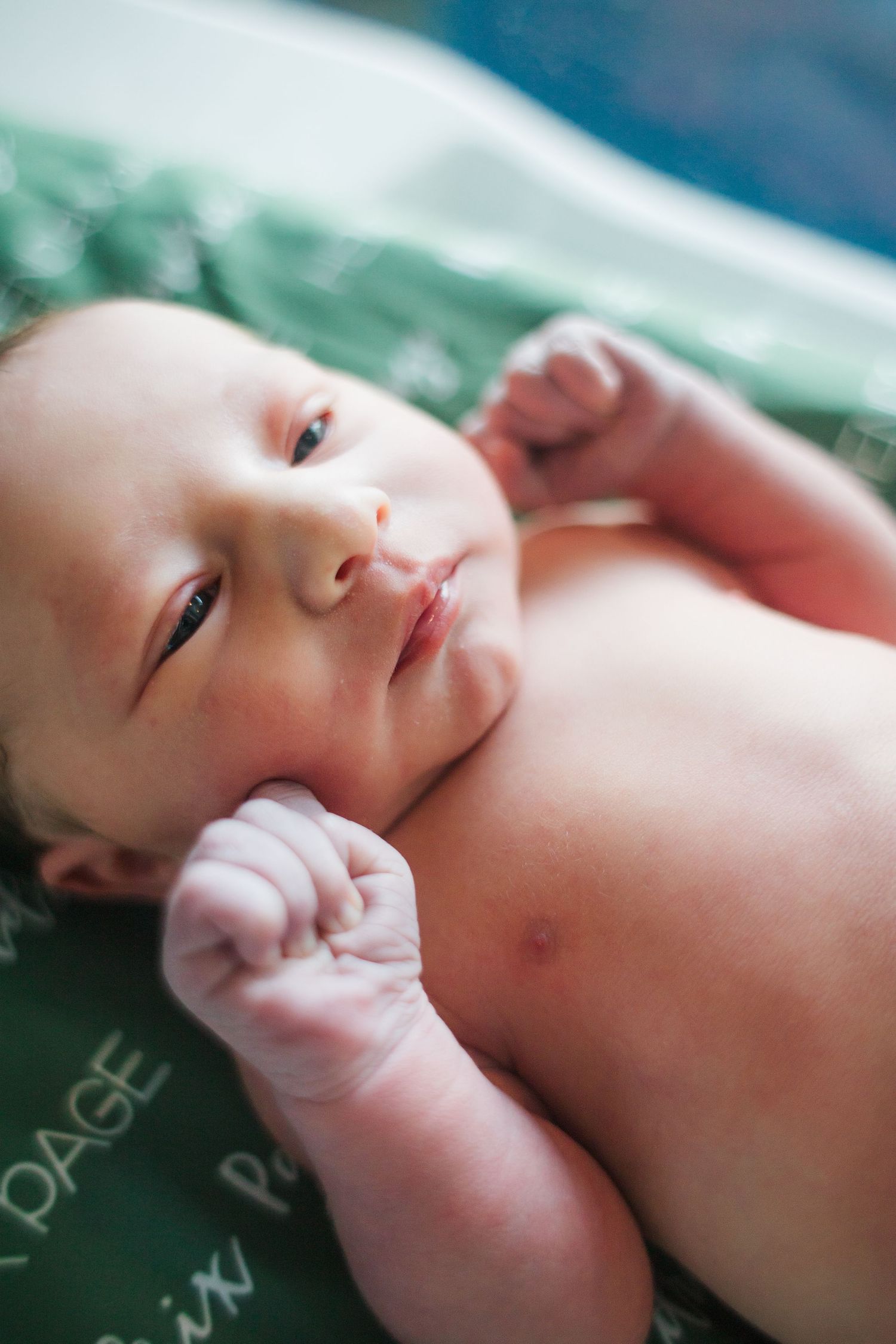
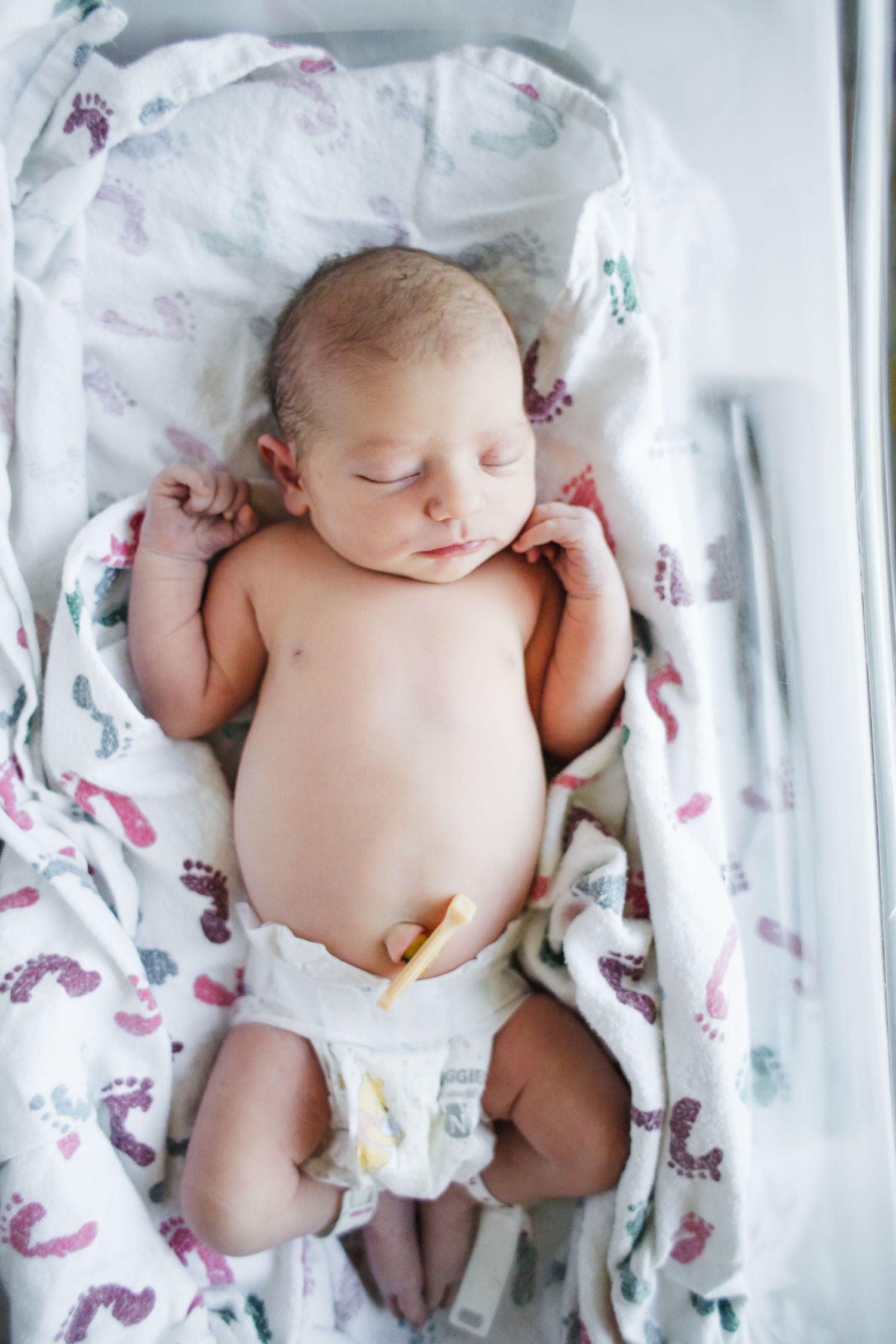
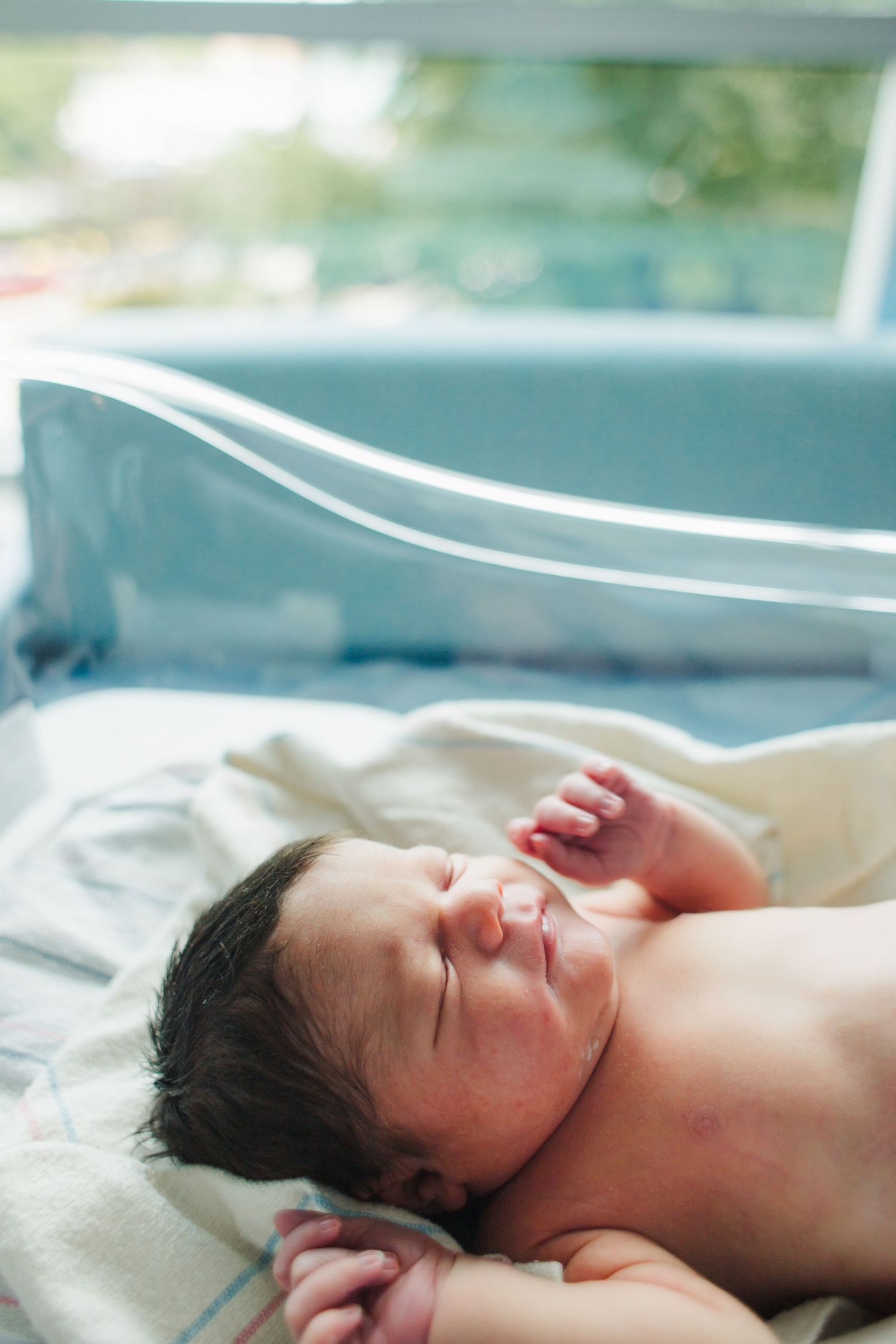
Fresh 48 Sessions: Lighting & What Photographs Best
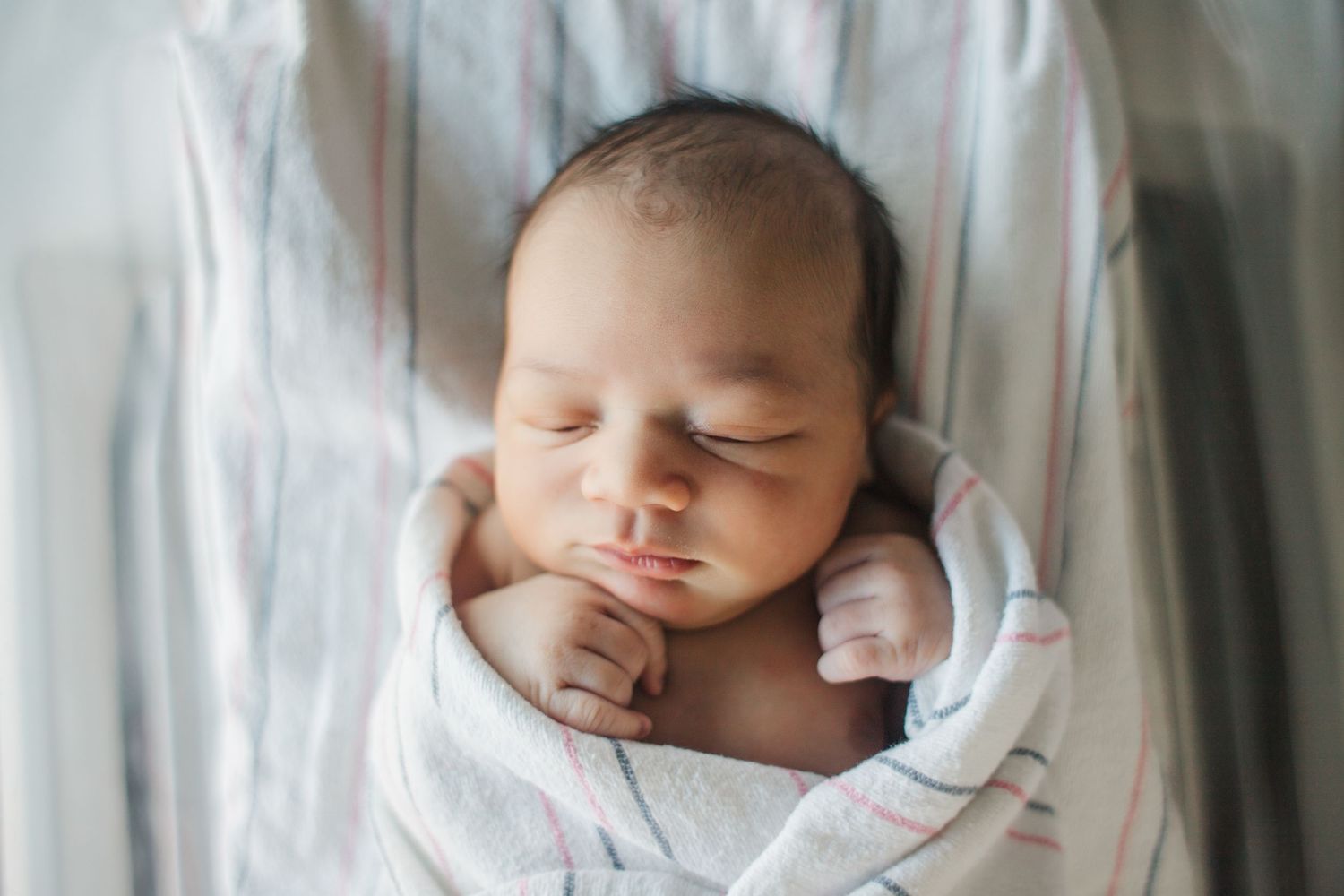
Every Fresh 48 session is unique because hospital rooms vary so much in lighting and atmosphere.
For example:
At Mercy, some rooms offer gorgeous natural light with big windows, while others face a brick wall with little to no natural light. In those darker rooms, I rely on the room’s lighting instead of natural light, which I usually prefer.
At Cox, almost every room has beautiful natural light, which makes things a bit easier.
While I do my best to match the vibe of any inspiration photos you love, I always work with the space and light I’m given. That’s the beauty of Fresh 48s—the photos are genuine, unique to your story, and one of a kind.
Colors That Photograph Best
My personal favorite: neutral tones like browns, tans, and creams—they always photograph beautifully.
Other colors that work well include deep blue, black, mauve or deep pink, white, and rust.
A couple of tips:
If you’re delivering at Cox and love green, opt for dark greens instead of light—lighter greens tend to blend with the room’s walls.
For pinks, richer shades like mauve work best to avoid washing out in photos.
What to Bring & Personal Touches
Feel free to bring whatever colors and outfits you love—this is your session, and I want you to feel amazing!
Don’t forget siblings and family are always welcome (though not required).
Personal items like bows, hats, name signs, or announcement props add a special touch and make your photos even more meaningful.
If you have questions or want help planning your session wardrobe, just ask—I’m here to help you create beautiful memories you’ll cherish forever.
FAQ
1. When is the best time to schedule a Fresh 48 session?
Fresh 48 sessions typically take place within the first 24 to 48 hours after birth, ideally before you leave the hospital or birth center. Timing depends on your baby’s and your health, hospital policies, and my availability. I work with you to find the best window that fits your family’s schedule and the lighting in your room.
2.What if my baby has to go to the NICU?
If your baby needs to spend time in the NICU, we can still plan a Fresh 48 session—either in the NICU (if allowed) or once your baby is out and stable. I’m flexible and understanding of your family’s unique situation and will work with you to capture those precious early moments whenever possible. Just keep me updated, and we’ll figure out the best timing together.
3.What is the difference between a Fresh 48 session and a Birth session?
Fresh 48 Session:
Happens within the first 48 hours after your baby is born, usually at the hospital or birth center.
Focuses on capturing those quiet, tender moments shortly after birth—baby’s first hours of life, sleepy newborn cuddles, family bonding, and the newness of it all.
Generally shorter and more relaxed than a birth session, with minimal posing and natural, documentary-style photos.
Requires flexibility with timing since it depends on when baby arrives and hospital schedules.
Birth Session:
Captures the labor, delivery, and immediate moments of birth.
Includes raw, emotional, and often intense moments of the entire birth experience—from contractions, pushing, to baby’s first cries.
Usually requires a longer time commitment and a birth photographer who is present throughout labor and delivery.
More unpredictable in timing and flow, but offers once-in-a-lifetime images of your birth story.
4.Do you offer birth sessions?
No, I do not offer birth sessions. My focus is on Fresh 48 sessions and newborn sessions to beautifully capture those first hours and early days after your baby’s arrival.
Ready to connect?
Get in touch